Asphalt Repair Experts
What Is Asphalt Repair?
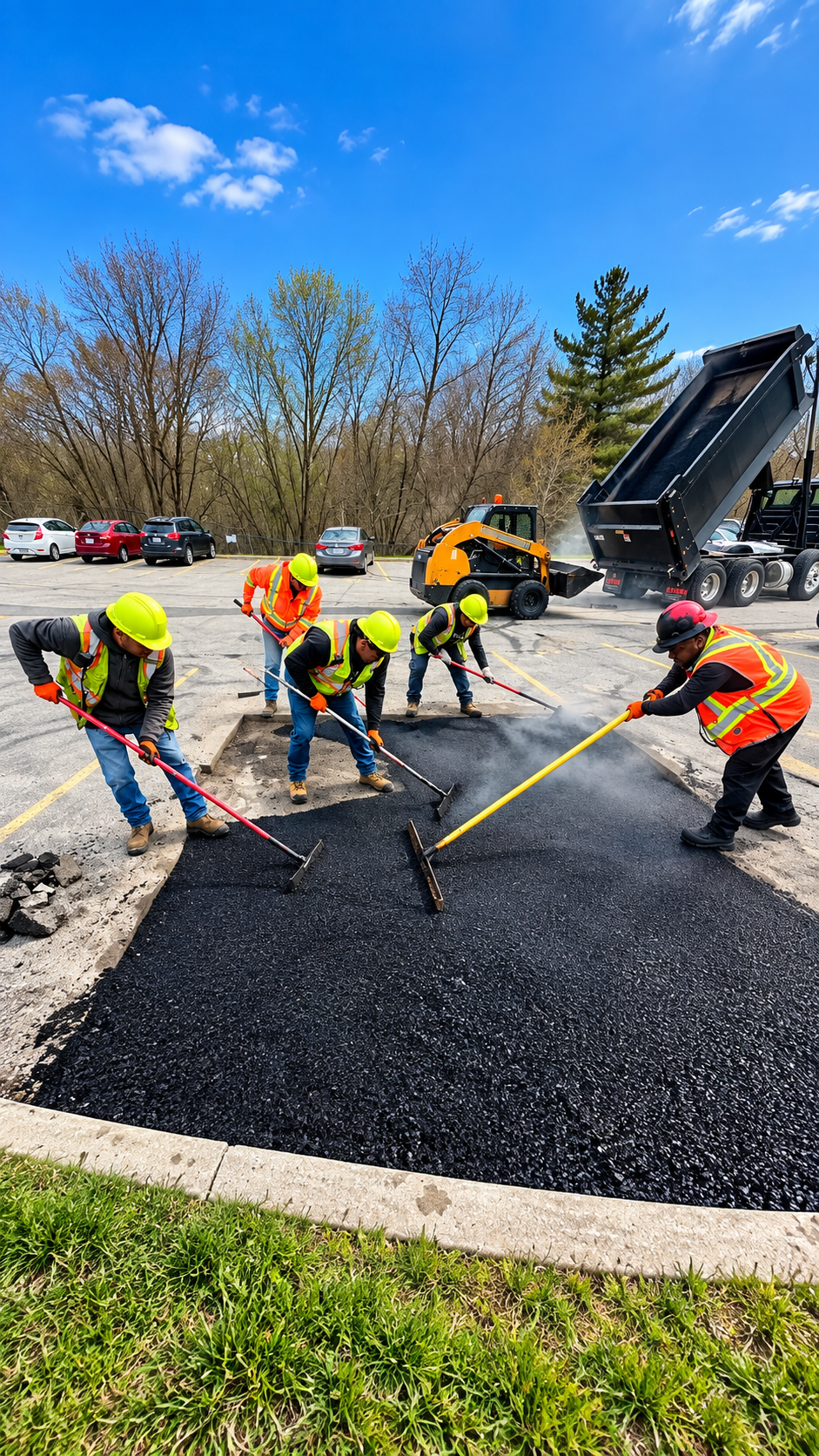
Asphalt paving is the process of creating a strong, smooth, and durable surface using a carefully prepared mixture of aggregates, sand, and asphalt binder. It is widely used for residential driveways, commercial parking lots, private roads, access roads, industrial properties, and other paved surfaces because asphalt can handle regular vehicle traffic while providing a clean and professional appearance. A properly installed asphalt surface also provides comfortable vehicle movement and can be maintained or repaired as it ages.
The asphalt paving process involves several important stages, beginning with site evaluation and preparation. Existing materials may need to be removed before the area is graded and a stable aggregate base is prepared. Drainage and slope are also considered to help prevent standing water. After preparation, the asphalt mixture is placed at the appropriate thickness and compacted using specialized paving equipment to create a dense, even, and stable pavement surface.
Professional asphalt paving services focus on more than simply placing asphalt over the ground. Base stability, pavement thickness, drainage, grading, traffic demands, asphalt quality, and proper compaction can all influence the finished pavement. With professional installation and routine asphalt pavement maintenance, including crack repair, sealcoating, and timely surface repairs, asphalt can provide a practical and long-lasting solution for both residential and commercial properties.
When Is Asphalt Repair Necessary?
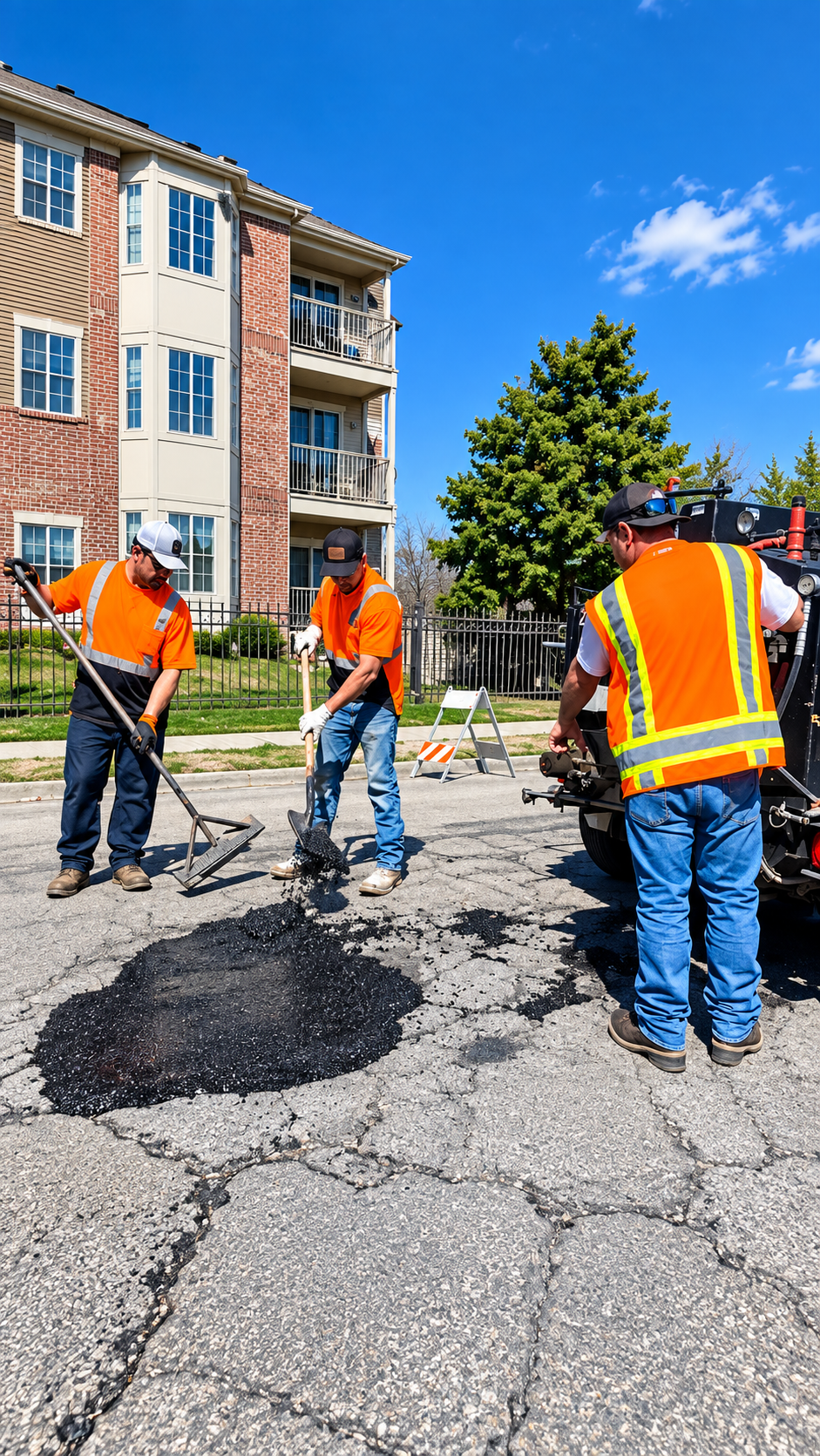
Asphalt paving is necessary when a property requires a new durable surface for vehicle or pedestrian use or when existing pavement has deteriorated beyond the point where minor maintenance can provide an effective solution. New paving is commonly considered for driveways, parking lots, private roads, commercial developments, industrial areas, and property access routes. It can transform an unfinished or severely deteriorated area into a smoother, more functional paved surface.
Existing pavement may require significant paving work when it develops widespread cracking, recurring potholes, deep depressions, uneven surfaces, drainage problems, crumbling edges, or extensive deterioration. While isolated damage can often be addressed through asphalt repair, widespread problems may indicate issues affecting larger sections of the pavement. In these situations, evaluating the existing surface and underlying base can help determine whether repair, resurfacing, or pavement replacement is appropriate.
Asphalt paving may also be considered when a business needs to expand a parking lot, a property owner wants to replace an old driveway, or an existing paved area can no longer comfortably support its normal traffic. A professional asphalt pavement assessment should consider pavement age, drainage, base stability, traffic volume, existing damage, and intended use. Choosing the appropriate paving solution can help improve surface safety, appearance, drainage, functionality, and long-term pavement performance.
What Is Required For Asphalt Repair?
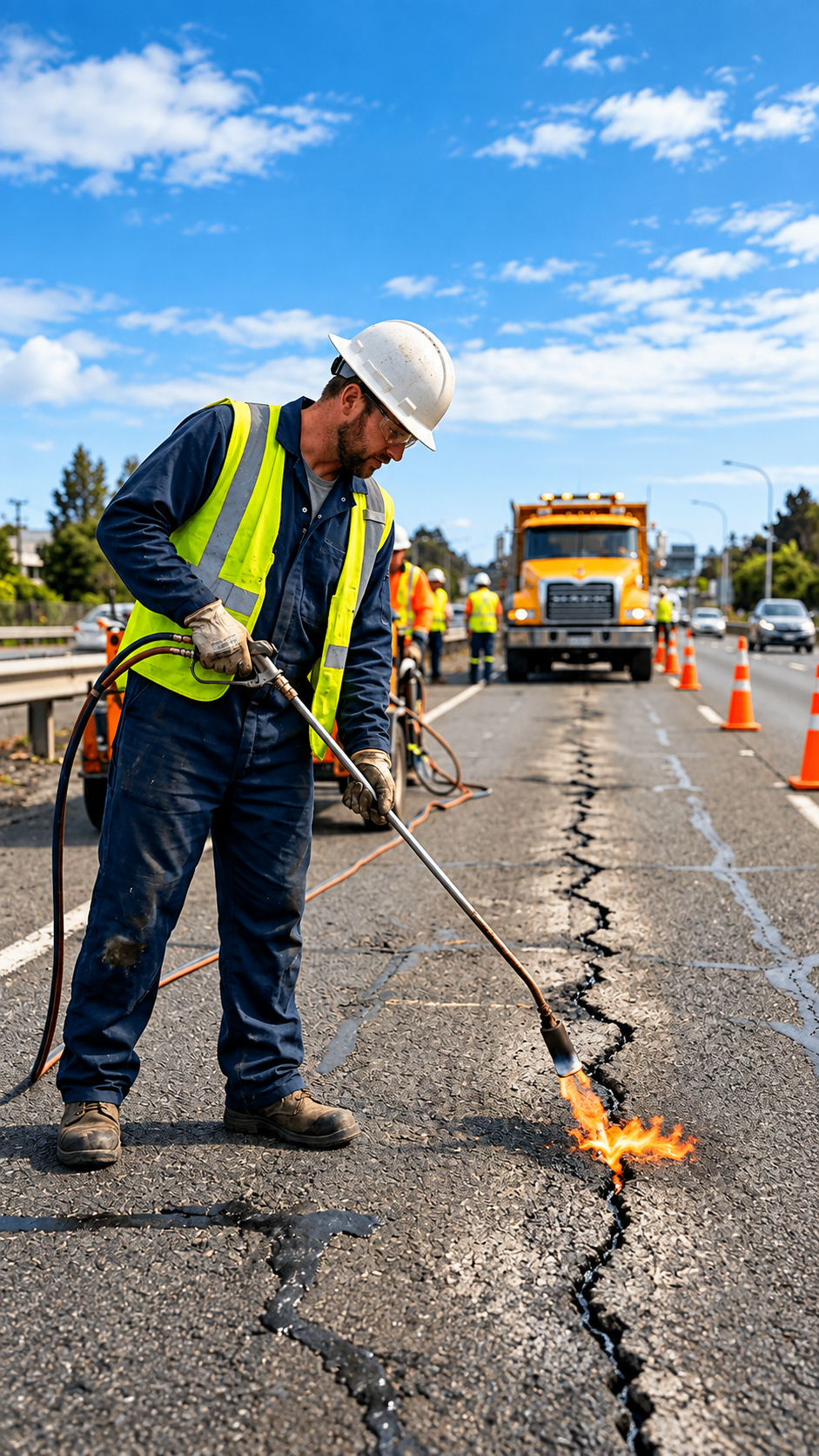
Successful asphalt paving requires careful planning, proper site preparation, suitable materials, experienced installation, and specialized paving equipment. Before work begins, the area should be evaluated for soil conditions, drainage, grading, traffic requirements, pavement dimensions, and existing surface conditions. Planning these elements helps establish an appropriate foundation and reduces the likelihood of problems such as standing water, uneven pavement, or premature surface deterioration.
A properly prepared pavement base is one of the most important parts of the installation process. Weak or unstable material may need to be removed before a suitable aggregate base is installed, graded, and compacted. The surface should have an appropriate slope to direct water away from critical areas. Once preparation is complete, the asphalt mixture is placed and compacted using equipment such as asphalt pavers, rollers, compactors, and grading machinery to achieve consistent pavement thickness and density.
Quality asphalt paving also requires attention to asphalt temperature, material composition, pavement thickness, compaction, joints, edges, drainage, and weather conditions during installation. After the new pavement has been installed, proper care remains important for protecting the investment. Routine inspections, timely crack and pothole repair, asphalt sealcoating, drainage maintenance, and preventative pavement maintenance can help limit deterioration and support a smooth, functional, and durable asphalt surface over time.
Our Reviews
What Our Customers Have to Say About Us!
The entire paving process was handled professionally from start to finish. The crew kept the work area organized, communicated clearly, and delivered a smooth, clean asphalt surface. Our parking area looks much better now.

We had several cracks and worn sections throughout our parking lot. The repair work made a noticeable improvement, and the fresh line striping gave the property a cleaner, more professional appearance.
We needed sealcoating and general pavement maintenance, and the process was straightforward and well organized. The asphalt looks refreshed, the surface is much cleaner, and we’re very pleased with the finished result.
The Process
3 Step Process For Your Asphalt Repair Needs

Contact Us
Start by completing the 'Get a Free Quote' form on our website to share your Asphalt Repair needs with us.

Schedule Your Estimate
Next, we'll arrange a property visit at a time that works for you to provide an in-person estimate for your Asphalt Repair needs.

Get The Job Done
After you approve our estimate, we'll schedule a date to complete the job. Our team will work hard to exceed your expectations!
Request A Free Asphalt Repair Quote
BUSINESS
SERVICES
SERVICE AREAS
OPERATING HOURS
Sun: Closed
Mon: 7:00am - 7:00pm
Tue: 7:00am - 7:00pm
Wed: 7:00am - 7:00pm
Thu: 7:00am - 7:00pm
Fri: 7:00am - 7:00pm
Sat: 7:00am - 7:00pm